2025
More from Lewis on attention: “For what you see and hear depends a good deal on where you are standing: it also depends on what sort of person you are.” (The Magician’s Nephew)
C.S. Lewis on Attention: “Now that she was left alone with the children, she took no notice of either of them. And that was like her too. In Charn she had taken no notice of Polly (till the very end) because Digory was the one she wanted to make use of. Now that she had Uncle Andrew, she took no notice of Digory. I expect most witches are like that. They are not interested in things or people unless they can use them; they are terribly practical.” (The Magician’s Nephew)
This utilitarian attention, that Lewis thought common to both sorcery (goetia) and modern science, is the opposite pole to the kind of attention that Simone Weil and Iris Murdoch describe: a “negative effort” (Weil) or “just and loving gaze” (Murdoch) that waits patiently for the other to reveal itself, rather than imposing its will. Presumably Lewis’s “old magic” (magia) involves Weil and Murdoch’s kind of attention, working “in and with the spiritual qualities of Nature, loving and reverencing them and knowing them from within.” (That Hideous Strength)
A passage from a letter from C. S. Lewis to Arthur Greaves (22 June 1930) that I had not come across before (h/t Michael Sacasas):
“Tolkien once remarked to me that the feeling about home must have been quite different in the days when a family had fed on the produce of the same few miles of country for six generations, and that perhaps this was why they saw nymphs in the fountains and dryads in the woods – they were not mistaken for there was in a sense a real (not metaphorical) connection between them and the countryside. What had been earth and air & later corn, and later still bread, really was in them.
We of course who live on a standardised international diet (you may have had Canadian flour, English meat, Scotch oatmeal, African oranges, & Australian wine to day) are really artificial beings and have no connection (save in sentiment) with any place on earth. We are synthetic men, uprooted. The strength of the hills is not ours.”

What’s the best metaphor for attention? “If we construe the fundamental problem of the attention economy in terms of attentional labor–that as users we’re not getting sufficient value for our attentional labor, and the conditions of that labor are unacceptable–we could conceive of the necessary corrective as a sort of ‘labor union’ for the workers of the attention economy, which is to say, all of us. Or, we might construe our attentional expenditure as the payment of an ‘attentional tax,’ in which case we currently find ourselves subject to attentional taxation without representation.” James Williams, Stand Out of Our Light 📚
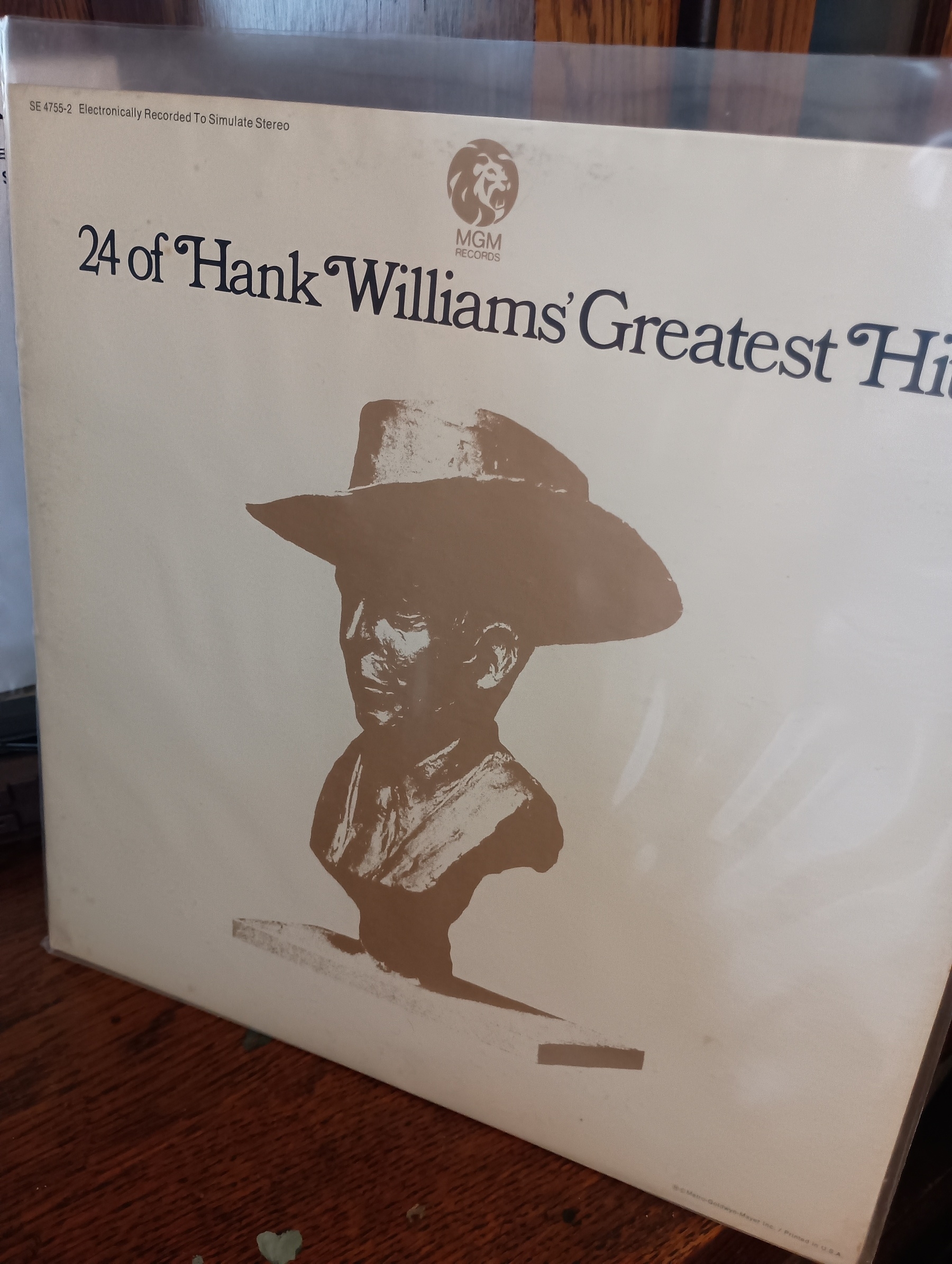
Mr. Beaver’s wise counsel for the age of LLMs: “But in general, take my advice, when you meet anything that’s going to be Human and isn’t yet, or used to be Human once and isn’t now, or ought to be Human and isn’t, you keep your eyes on it and feel for your hatchet.”

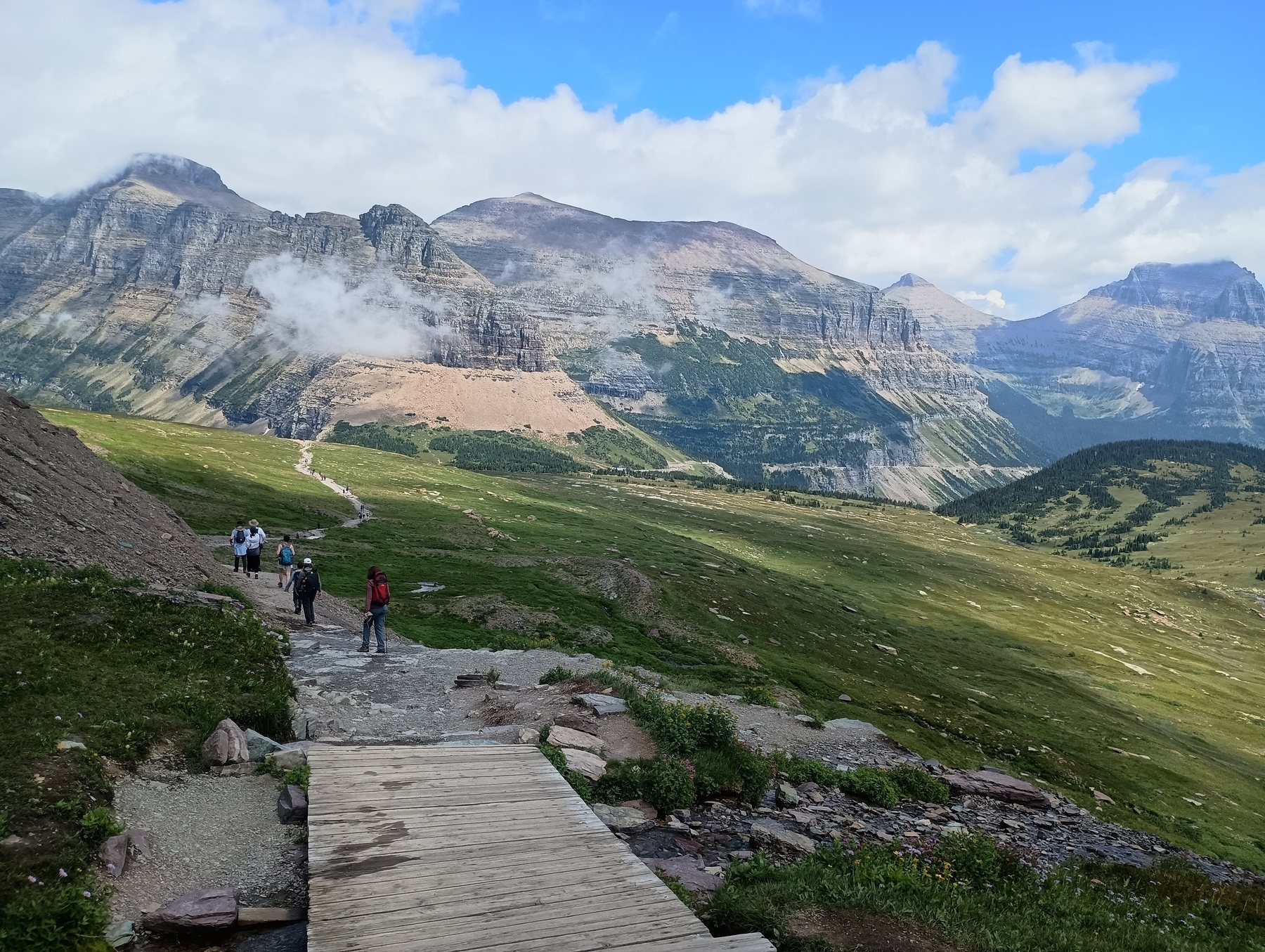



Currently reading: Stand Out of Our Light by James Williams 📚
Social Inequalities of the Attention Economy
“This increasing self-regulatory burden may pose a unique challenge for those living in poverty, who, research suggests are more likely to begin from a place of willpower depletion relative to everyone else. . . . [T]he wider implications here is that these problems of self-regulation in the face of information abundance . . . carry large implications for the societal goals of justice and inequality. If the first ‘digital divide’ disenfranchised those who couldn’t access information, today’s digital divide disenfranchises those who can’t pay attention.” James Williams, Stand Out of Our Light 📚
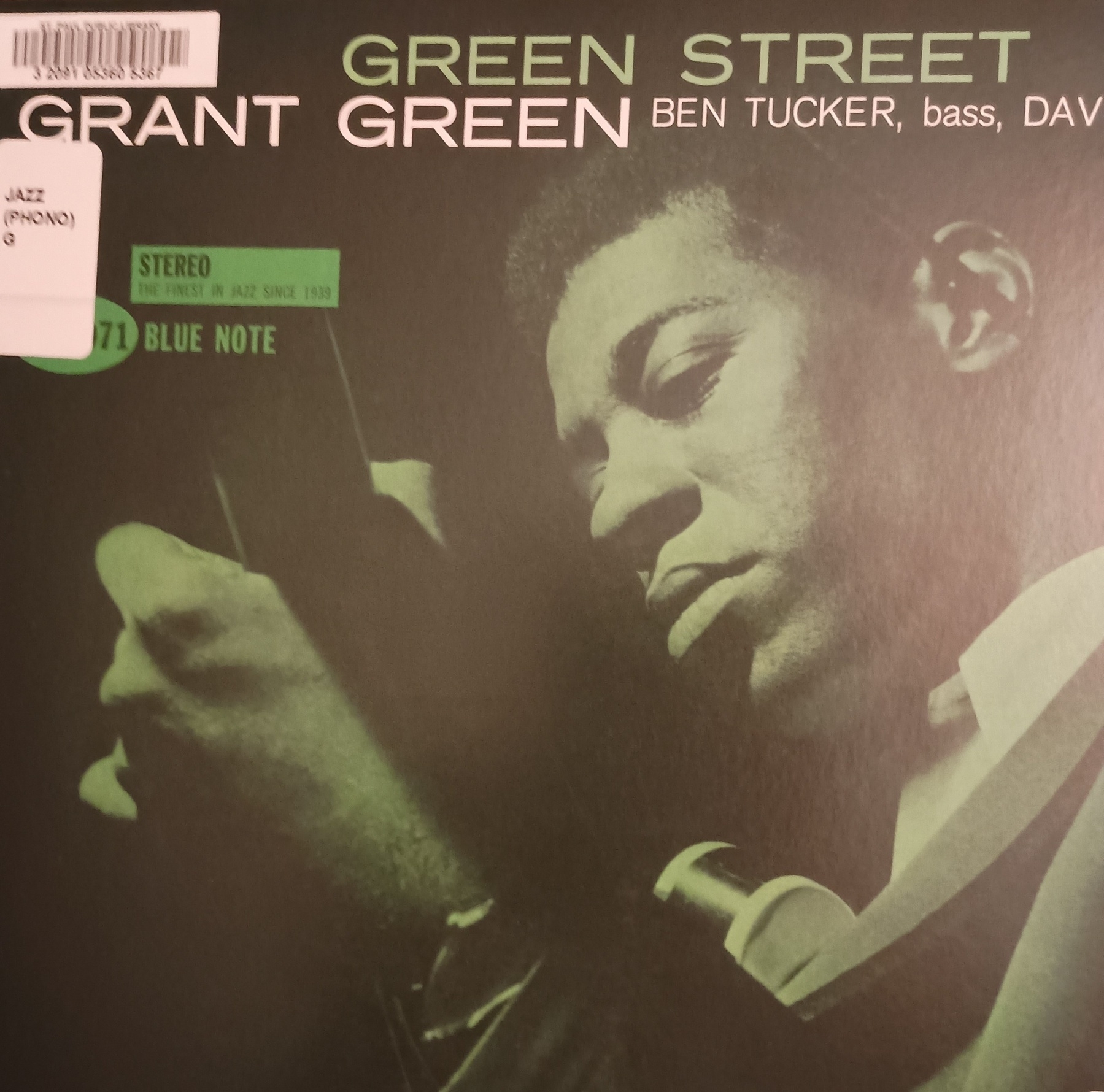
Currently listening: new vinyl acquisition, My Favorite Things by John Coltrane 🎵

Currently reading: The Visionaries by Wolfram Eilenberger 📚
Yet trees are not ‘trees’, until so named and seen -
and never were so named, till those had been
who speech’s involuted breath unfurled,
faint echo and dim picture of the world,
but neither record nor a photograph,
being divination, judgement, and a laugh,
response of those that felt astir within
by deep monition movements that were kin
to life and death of trees, of beasts, of stars:
free captives undermining shadowy bars,
digging the foreknown from experience
and panning the vein of spirit out of sense.
J.R.R. Tolkien, “Mythopoeia”